

Bulk junk removal doesn’t have to feel like climbing Mount Everest. You’re staring at a garage full of stuff, a basement that hasn’t seen daylight in years, or an entire estate that needs clearing.
Most people wait too long to tackle these projects. They let junk pile up until it becomes a crisis. Then they panic and spend more money than necessary.
I’m going to walk you through how to handle large cleanouts without losing your mind or your wallet.
Understanding Bulk Junk Removal
What Qualifies as Bulk Junk
Bulk junk is anything too big or too much for regular trash pickup. We’re talking furniture, appliances, mattresses, construction debris, and massive amounts of clutter.
If you can’t carry it to the curb by yourself or it won’t fit in your car, it’s bulk junk. This includes couches, refrigerators, hot tubs, renovation waste, and entire rooms of accumulated stuff.
When Professional Services Are Necessary
You need pros when the job is bigger than a weekend project. Estate cleanouts, full home decluttering, moving situations, and post-renovation debris all fall here.
If the thought of doing it yourself makes you want to hide, call professionals. Your time, back, and sanity are worth more than hiring help. Plus, pros have the trucks, equipment, and disposal knowledge you don’t.
Planning Your Large Cleanout
Assessing Volume and Scope
Walk through every space and be brutally honest. Count rooms, measure piles, and take photos. Give yourself extra buffer because it’s easy to misjudge how much junk you have.
Most junk removal trucks hold 15 to 18 cubic yards. That equals roughly five to eight pickup truck loads.
Sorting Strategy for Keep, Donate, and Dispose
Create three zones: keep, donate, and trash. No “maybe” pile allowed because that’s where stuff goes to live forever.
Be ruthless with the keep pile. If you haven’t used it in a year and it doesn’t have serious sentimental value, it goes. Donation items should be in good condition.
Timeline and Budget Considerations
Most large cleanouts take 2-5 days depending on size. Budget between $150-$800 for professional bulk junk removal depending on volume. Larger jobs potentially reach $1,500 or more.
Add 20% buffer because you’ll always find more stuff than expected.
Preparation Steps
Organizing Items by Category
Group similar items together. All furniture in one area, appliances in another, small boxes in another. This speeds up removal and helps you get accurate quotes.
Separate recyclables, donations, and trash from the start. Mixing everything costs you time and money.
Identifying Hazardous Materials
Paint, chemicals, batteries, propane tanks, and medical waste need special handling. Most bulk junk removal services won’t touch hazardous materials.
You’ll need to contact your local hazardous waste facility. In Atlanta, there are specific drop-off locations for these items.
Clearing Access Points
Widen pathways, move cars, and unlock gates before the crew arrives. Every minute they spend waiting adds to your bill.
Measure doorways and hallways if you have oversized furniture. Nothing worse than discovering your couch won’t fit through the door on removal day.
Bulk Removal Service Options
Professional Full-Service Removal
This is the “point and it’s gone” approach. Crews do all the heavy lifting, load everything, and haul it away. You just point at what needs to go.
Full-service costs more but saves massive time. Good for estate cleanouts, busy schedules, or when you physically can’t handle the work.
Municipal Bulk Pickup Programs
Atlanta residents can schedule bulk pickup through the city. You get up to 12 collections per year if you plan ahead.
The catch: you drag everything to the curb yourself, follow strict placement rules, and work around their schedule. They won’t take hazardous materials or construction debris.
Dumpster Rental vs. Hauling Services
Dumpsters Rental make sense when you’re working over several days or weeks. Hauling services work better when you need it done fast.
Cost-wise, they’re similar for large jobs. Dumpsters run $300-$600 for a week. Professional hauling charges by volume but includes all labor.
Cost Factors
Volume and Weight Considerations
The more stuff you have, the more you pay. A single couch costs less than an entire garage full of mixed junk.
Heavy items like pianos, safes, and appliances cost more. They require extra labor and special handling.
Item Types and Disposal Fees
Electronics, appliances with refrigerants, and tires often have special disposal fees. These are actual costs passed to disposal facilities due to mandated recycling requirements.
Mattresses and furniture with fabric usually cost more than wood or metal.
Labor and Accessibility Charges
Stairs, long carries, and difficult access points increase costs. If your junk is on the third floor with no elevator, expect to pay more.
Same goes for properties with narrow driveways or no parking.
Items Accepted and Restricted
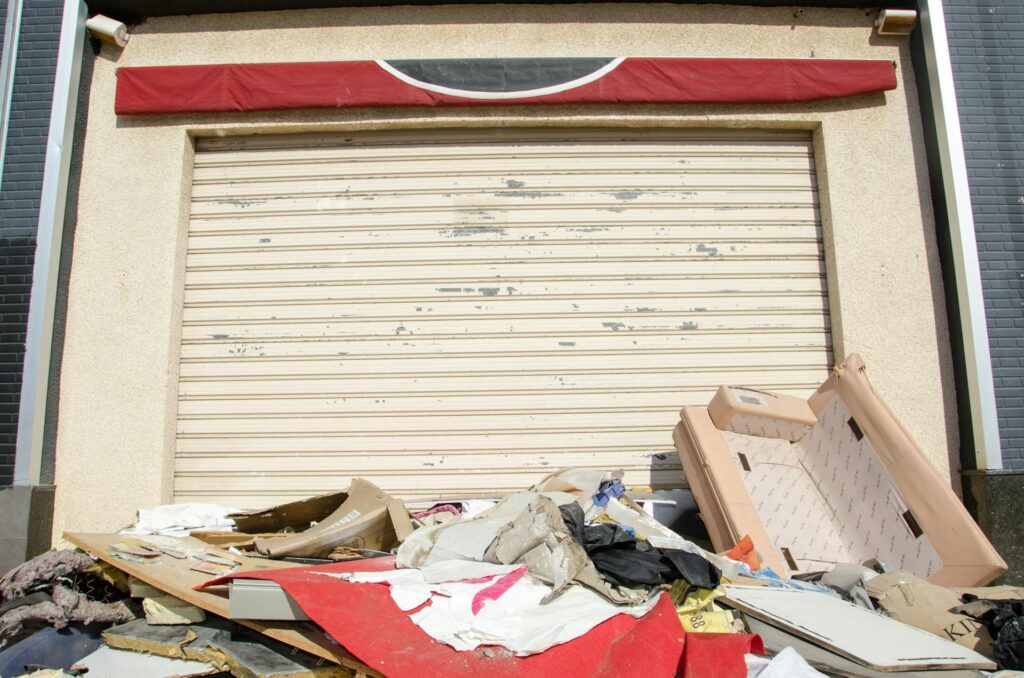
Common Accepted Items
Most professional services handle these without issues:
- Furniture and mattresses
- Appliances and white goods
- Electronics and e-waste
- Yard waste
- Construction debris (non-hazardous)
- Books, clothing, toys
- General household junk
Prohibited Materials
These require specialized disposal:
- Hazardous chemicals
- Paint and oil
- Medical waste
- Asbestos materials
- Car batteries
- Propane tanks
- Flammable materials
Most junk companies don’t have the licensing for these.
Special Disposal Requirements
Refrigerators and freezers must have doors removed for safety. Gas-powered equipment should be drained of fuel. Electronics with data need to be wiped clean.
That’s your responsibility, not the hauler’s.
DIY vs. Professional Removal
Cost and Time Analysis
DIY looks cheaper until you factor in everything. Truck rental, gas, dump fees, your time, and potential injury all add up.
A truck rental alone runs $100-150 per day plus mileage and fuel. Professional bulk junk removal costs more upfront but saves 10-20 hours of your time.
Safety and Equipment Needs
Moving heavy furniture and appliances is dangerous. Professionals have dollies, lifting straps, loading ramps, and proper lifting techniques.
Back injuries, strained muscles, and property damage are real risks. One trip to the ER costs way more than hiring professionals.
Compliance with Regulations
Disposal regulations vary by material type and location. Professionals know where everything goes and handle permits if needed.
Dumping in wrong places leads to fines. Let the pros navigate this maze.
Common Mistakes to Avoid
Underestimating Project Scope
Everyone thinks their cleanout is smaller than reality. Walk every space twice. Open every closet, check the attic, basement, and garage corners.
Take photos and measurements to get accurate estimates. This prevents budget blowouts and scheduling disasters.
Improper Hazardous Material Handling
Mixing hazardous waste with regular junk creates liability and disposal problems. Separate it from day one and handle it through proper channels.
Don’t try to sneak hazardous materials past professionals. They’ll refuse the load and you’ll still owe for their time.
Poor Timing and Scheduling
Don’t schedule removal before you finish sorting. Having crews wait while you decide what goes costs you money.
Book services 2-4 weeks in advance during busy seasons. Spring and summer are peak times. Last-minute bookings limit your options and might cost more.
Conclusion
Bulk junk removal gets easier when you plan properly, choose the right service, and avoid common mistakes. The key is starting with realistic expectations about scope, cost, and timeline.
Whether you tackle it yourself or hire professionals, the goal is the same. Reclaim your space without the stress and overwhelm that usually comes with large cleanouts.
Frequently Asked Questions (FAQs)
1. How much does bulk junk removal typically cost in Atlanta
Costs range from $150 for small loads to $800 or more for full truckloads. Most companies charge based on volume. Average jobs fall between $200-$400.
Get free estimates from local services for accurate pricing based on your specific situation.
2. Can I schedule same-day or next-day service
Many Atlanta services offer same-day pickup if you call before noon. Next-day service is usually available except during peak moving season from May through September.
Book ahead when possible for better scheduling flexibility and potentially lower rates.
3. What happens to my items after removal
Reputable services sort everything for recycling, donation, and disposal. About 60-70% of collected items get recycled or donated to local charities.
Only materials that can’t be reused or recycled end up in landfills.
4. Do I need to be present during the removal
It depends on the company and your comfort level. Some require you there to point out items and approve the final quote.
Others work with detailed instructions if you can’t be present. Discuss this when booking to avoid confusion.
5. Are there items that absolutely cannot be removed
Yes. Hazardous materials like paint, chemicals, asbestos, medical waste, and certain electronics require specialized disposal.
Most services also won’t take items with mold contamination, biohazards, or anything illegal. Check with your service about specific items before scheduling.


