

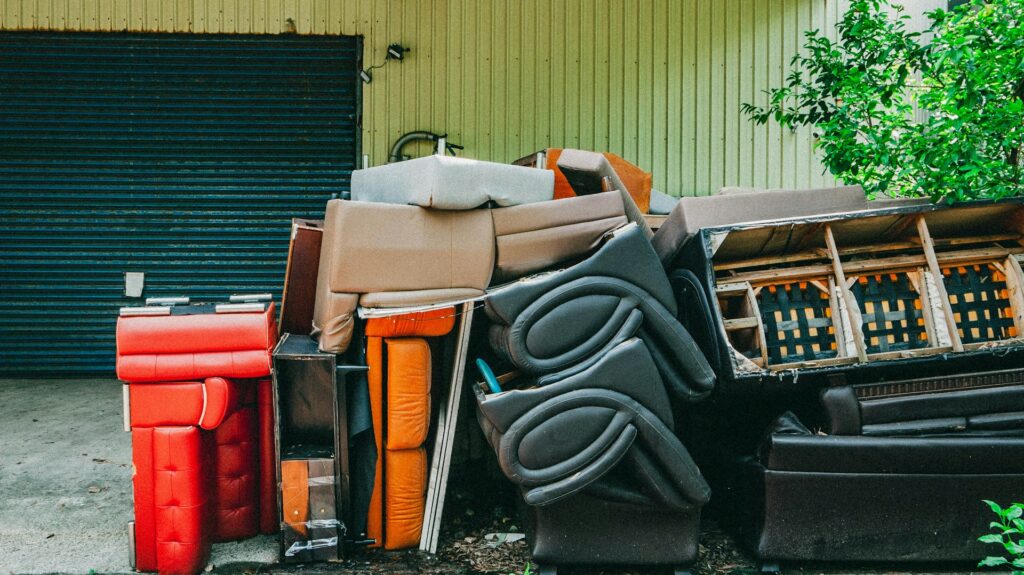
Furniture removal is one of those tasks that sounds simple until you’re standing in front of a 300-pound sectional sofa. You’re wondering how you’ll get it down three flights of stairs. You don’t want to destroy your back or your walls.
I’ve been there. What seems like a weekend project can quickly turn into a nightmare. That’s especially true if you don’t know what you’re doing.
Most people underestimate how difficult it is to get rid of old furniture. From the physical labor to the disposal regulations, furniture hauling is a bigger deal than most realize. That’s why I’m breaking down everything you need to know about getting rid of your old pieces without the stress.
Understanding the Challenges of Furniture Removal
Most people don’t realize the scope of what they’re getting into. They only figure it out halfway through the job. I learned this the hard way when I tried moving a dining room table by myself.
Physical Demands and Safety Risks
Moving furniture isn’t just about being strong. It’s about technique, balance, and knowing your limits.
Heavy pieces like dressers, mattresses, and entertainment centers can weigh anywhere from 100 to 400 pounds. One wrong twist while carrying a heavy load can throw out your back for weeks.
Common furniture weights:
- Standard dressers: 140-175 pounds
- Entertainment centers: 140-250 pounds
- Mattresses (queen/king): 150-180 pounds
- Sectional sofas: 200-350 pounds
I’ve seen people end up in urgent care because they thought they could handle a refrigerator on their own. Tight spaces make everything worse. Narrow hallways, sharp corners, and staircases turn a simple move into a puzzle.
Transportation and Disposal Requirements
Even if you manage to get the furniture out of your house, you’re only halfway done. Now you need a vehicle big enough to haul it. Most sedans or small SUVs won’t cut it.
Then there’s the question of where it goes. You can’t just dump old furniture anywhere. Landfills have specific rules and fees.
Some won’t even accept certain items like mattresses without special preparation. All of this takes time. What you thought would be a two-hour task can easily eat up your entire Saturday.
What to Expect from Professional Furniture Removal Services
This is where the pros come in. Hiring a professional service takes all the guesswork and heavy lifting off your plate.
The Full-Service Removal Process
When you book a furniture removal service, they handle everything from start to finish. Most companies will call or text 15 to 30 minutes before arrival. You’re not left waiting around.
Once they arrive, they’ll assess what needs to be removed. They give you an on-site quote. No surprises, no hidden fees.
After you approve, the team gets to work. They lift, load, and haul everything away while you sit back and relax. Many services even sweep up the area before they leave.
Common Items Accepted for Removal
Professional teams can handle almost anything that isn’t hazardous. I’m talking about:
Living room furniture:
- Couches and sectionals
- Recliners and chairs
- Entertainment centers
- Coffee tables and end tables
Bedroom furniture:
- Mattresses and box springs
- Dressers and armoires
- Bed frames and headboards
- Nightstands
Office furniture:
- Desks and file cabinets
- Conference tables
- Office chairs
- Bookshelves
The best part? Many of these companies will donate or recycle items that are still in decent condition. Your old furniture doesn’t just end up rotting in a landfill.
Comparing DIY and Professional Furniture Removal
Some situations call for DIY, and others absolutely don’t. Knowing the difference can save you time, money, and a trip to the chiropractor.
When DIY Furniture Removal Works
If you’re dealing with a single lightweight item like a small chair or side table, doing it yourself might make sense. These pieces are easy to carry. They won’t require a massive truck.
DIY makes sense when you have:
- Single lightweight items under 50 pounds
- Access to a pickup truck or large van
- At least one capable helper available
- Clear pathways with no stairs
Having access to a proper vehicle is key. If you own a pickup truck or can borrow one, you’ve already solved half the problem.
Benefits of Hiring Professional Services
Even if you can technically do it yourself, that doesn’t mean you should. Professional services eliminate almost every downside of DIY.
Why professionals are worth it:
- No physical strain or injury risk – You’re not throwing out your back or tweaking your knee
- Proper equipment and expertise – Dollies, straps, protective padding, and specialized trucks
- Massive time savings – What takes you all day takes pros an hour or two
- Guaranteed proper disposal – No worries about breaking local regulations or fines
The pros have the training and experience to move heavy items safely. They know how to navigate tight spaces and protect your property from damage.
Preparing Your Home for Furniture Removal
If you’ve decided to hire a professional service, a little prep work makes the process smoother. It also makes it faster.
Steps Before the Removal Team Arrives
Clear pathways throughout your home. Move any obstacles like rugs, plants, or decorative items. The clearer the path, the faster the team can work.
Disassemble items when necessary. If you’ve got a bed frame or a table with removable legs, take them apart ahead of time. Just make sure to keep all screws and hardware together.
Preparation checklist:
- Clear hallways and doorways
- Remove any obstacles from stairs
- Empty all drawers and cabinets
- Disassemble large items if possible
- Secure pets in a separate room
Remove personal belongings from furniture. Empty out drawers, cabinets, and closets. Nothing should be left inside the pieces being removed.
Booking and Scheduling Tips
Online booking is the easiest way to set up service. Most companies offer instant quotes. You can pick a date and time that works for you.
Same-day service availability is a game changer if you’re in a rush. Many providers can come out the same day you call. This is especially true if you book in the morning.
Questions to ask providers:
- What’s included in the price?
- Do you recycle or donate items?
- Are you licensed and insured?
- What’s your availability for pickup?
Getting these answers upfront prevents confusion later.
Avoiding Common Furniture Removal Mistakes

I’ve seen people make the same mistakes over and over. Here’s what to watch out for.
Critical mistakes to avoid:
Attempting to move heavy items alone – I don’t care how strong you think you are. A 200-pound dresser doesn’t care about your gym routine. Get help or hire someone.
Improper disposal methods – Dumping furniture on the side of the road or in a public park is illegal. It’s also terrible for the environment. Use proper channels.
Not checking provider credentials – If someone gets hurt on your property or damages your home, you want them covered. Always verify insurance and licensing before hiring.
Waiting until moving day – The last thing you need is stress about your old couch when the moving truck is already there. Handle it early.
Overlooking recycling opportunities – A lot of furniture can be recycled or repurposed. Don’t just throw it away if there’s a better option.
Selecting the Right Furniture Removal Company
Not all providers are created equal. Here’s what separates the good ones from the ones you should avoid.
Essential Features to Look For
Licensed and insured operations are non-negotiable. This protects you if something goes wrong. Don’t even consider a company that can’t provide proof of both.
Transparent pricing means you know exactly what you’re paying before work begins. No surprise fees. No vague estimates that balloon after the fact.
What quality companies offer:
- Clear, upfront pricing with no hidden fees
- Proper licensing and full insurance coverage
- Consistent positive customer reviews
- Eco-friendly disposal practices
- Same-day or next-day availability
Customer reviews and reputation tell you everything. Check Google, Yelp, and social media. Look for consistent positive feedback. Pay attention to how companies respond to negative reviews.
Warning Signs to Avoid
No upfront pricing is a huge warning sign. If a company won’t give you a clear price before they start, they’re probably going to hit you with surprise charges.
Limited availability might mean they don’t have the resources to handle the job properly. Reliable companies have consistent availability.
Red flags that signal problems:
- Refusing to provide upfront pricing
- No proof of insurance or licensing
- Can’t schedule you for weeks
- Show up without proper equipment
- Poor communication or responsiveness
Lack of proper equipment means they’re not equipped to do the job safely. Poor communication before you even hire them is a preview of what working with them will be like.
Conclusion
At the end of the day, furniture removal doesn’t have to be a headache. Whether you’re clearing out a single piece or an entire house, the key is knowing your options. Make the right call for your situation.
DIY can work for small, simple jobs. But for anything heavy, bulky, or time-sensitive, professional services are the way to go. They save you time and protect you from injury.
The best part? Most services make it incredibly easy to book. They often offer same-day availability and transparent pricing. You get peace of mind knowing your furniture is being disposed of responsibly.
So if you’re sitting there staring at that old couch or dining set, stop putting it off. Get the help you need and make furniture removal the easiest part of your project.
Frequently Asked Questions (FAQs)
1. How much does furniture removal typically cost?
Prices vary based on the amount and type of furniture being removed. On average, you can expect to pay between $75 and $250 for single items.
Full truckloads or multiple pieces may cost more. Many companies offer volume discounts. The best way to get an accurate price is to request a quote based on your specific needs.
2. Can I schedule same-day furniture removal?
Yes, many professional services offer same-day availability. This is especially true if you call or book online early in the day.
This is particularly helpful if you’re on a tight timeline. It’s perfect when you need to clear out furniture quickly for a move or renovation.
3. What happens to my furniture after removal?
Reputable companies prioritize eco-friendly disposal. Items in good condition are often donated to local charities or nonprofit organizations.
Furniture that can’t be reused is typically recycled when possible. Only items that can’t be donated or recycled end up in landfills.
4. Do I need to be home during furniture removal?
It depends on the company and your specific situation. Most services prefer you’re there to approve the quote. You also need to point out which items need removal.
However, some companies offer curbside pickup. You leave items outside and don’t need to be present.
5. What items can’t be removed by furniture removal services?
Most companies can’t take hazardous materials like chemicals, paint, or asbestos. Some also have restrictions on items containing certain materials.
Mattresses in some areas may be restricted due to bedbug concerns. Always check with your provider about specific items. This helps avoid any issues on removal day.